
← Back to recipes
Anti-Inflammatory

Anti-Inflammatory Garlic Turmeric Rice

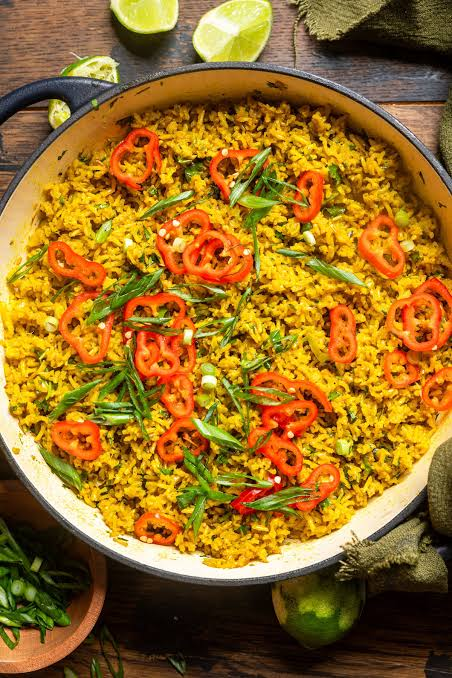
Fragrant rice with garlic, turmeric and warming spices for a simple nourishing side that pairs with almost any protein or vegetables.

Serves 4–6 Prep 10 min Cook 25 min Total 35 min
Anti-Inflammatory Garlic Turmeric Rice in a pot

👨‍🍳 Instructions

  1. Rinse the rice: Rinse under cold water until the water runs mostly clear. Drain well.
  2. Sauté aromatics: Heat olive oil in a saucepan over medium heat. Add onion and cook 2–3 minutes until softened. Add garlic and cook 30 seconds.
  3. Bloom the spices: Stir in turmeric, cumin, ginger, and black pepper. Cook 30 seconds until fragrant.
  4. Toast the rice: Add the drained rice and stir to coat every grain with the spice mixture.
  5. Simmer: Pour in broth and salt. Bring to a gentle boil, then reduce heat to low, cover, and simmer 15–20 minutes until tender and liquid is absorbed.
  6. Rest: Remove from heat and let rest covered for 5 minutes.
  7. Finish: Fluff with a fork. Stir in lemon juice and zest. Garnish with parsley, cilantro, and toasted almonds or pumpkin seeds.

🌿 Anti-Inflammatory Boost

Turmeric, garlic, ginger, extra-virgin olive oil, lemon, fresh herbs, and black pepper give this rice its anti-inflammatory-focused ingredient profile. Black pepper helps the body absorb curcumin from turmeric more effectively.

Serving Ideas & Tips Serve with grilled Mediterranean chicken, baked salmon, chickpeas and roasted vegetables, Greek-style chicken skewers, or a cucumber-tomato-feta salad. For a heartier meal, stir 1 cup cooked chickpeas or lentils into the finished rice.

🍋 Recipe Editor's Notes

Recipe focus: This page is built to help a home cook understand not only what to do, but why the sequence matters. The ingredients and method above are the starting point; the notes below highlight practical decisions that can change the final result.

Why this recipe works: Anti-Inflammatory Garlic Turmeric Rice depends on the grain or pasta absorbing flavor while remaining distinct. The supporting ingredients are most effective when the cooking liquid is seasoned and the fresh, acidic, or herb-based elements are used toward the end.

Technique to watch: Watch the final few minutes closely because grains and pasta continue absorbing liquid after the heat is removed. Keep a little cooking liquid or broth available for adjustment, and finish with the fresh ingredients listed in the recipe rather than cooking them for longer than necessary.

Finishing decision: Finish with the acidic ingredient gradually. Acidity is easiest to control at the end, and a small amount can brighten a dish without making it taste sharply sour.

Smart substitutions

If an ingredient needs to be replaced, choose a substitute with a similar cooking time, moisture level, and texture. Change one ingredient at a time when possible so the balance of the original recipe remains easy to judge.

Make-ahead and storage

Cool leftovers promptly and refrigerate them in a covered container. Reheat gently with a small splash of water or broth if the dish has thickened, and refresh with herbs or a little acidity if the recipe calls for them.

Serving perspective

Serve it as the recipe describes, then build the plate around contrast: something fresh or acidic, something crisp, or a simple vegetable side can make the meal feel more complete without adding unnecessary complexity.

Kitchen reminder: Ingredient brands, pan sizes, heat levels, and produce moisture vary. Use the stated times as a guide and rely on texture, aroma, and safe cooking temperatures when deciding when a dish is ready.