
← Back to recipes
Mediterranean

Mediterranean Greek Chicken Souvlaki

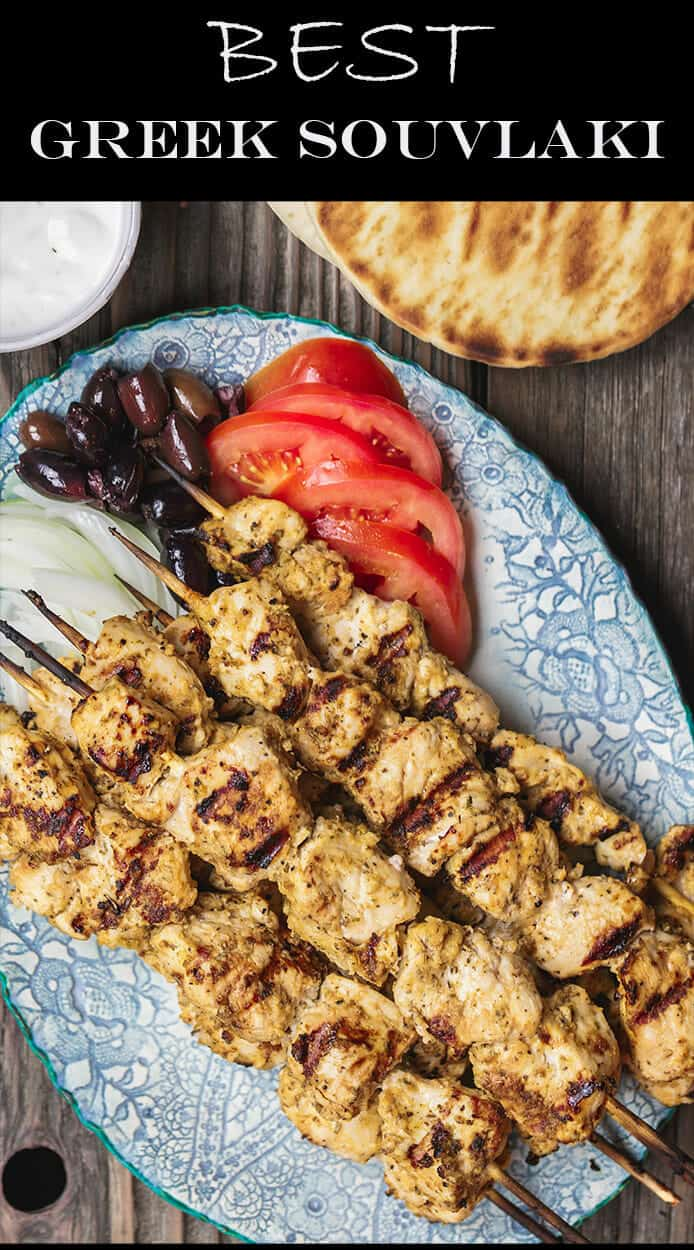
Herby, lemony chicken skewers served with warm pita, creamy tzatziki, and fresh Mediterranean toppings.

Serves 4 Prep 15 min Marinate 30 min–4 hrs Cook 10–12 min
Mediterranean Greek Chicken Souvlaki

👨‍🍳 Instructions

  1. Marinate the chicken: Combine chicken, olive oil, lemon juice, garlic, oregano, thyme, paprika, cumin, salt, pepper, and parsley. Mix until evenly coated.
  2. Rest: Cover and refrigerate at least 30 minutes, preferably 2–4 hours for deeper flavor.
  3. Prepare skewers: Thread marinated chicken onto wooden or metal skewers. Soak wooden skewers in water 30 minutes first to prevent burning.
  4. Cook: Heat a grill or grill pan over medium-high. Cook skewers 4–6 minutes per side, turning occasionally, until browned and chicken reaches 165°F (74°C).
  5. Make tzatziki: Stir together Greek yogurt, cucumber, garlic, lemon juice, olive oil, dill, salt, and pepper. Chill until serving.
  6. Serve: Remove chicken from skewers if desired. Serve with warm pita, fresh vegetables, olives, lemon wedges, and a generous spoonful of tzatziki.

🌿 Mediterranean Flavor Boost

Extra-virgin olive oil, lemon, garlic, oregano, and yogurt-based tzatziki deliver classic Mediterranean freshness and anti-inflammatory benefits. Using chicken thighs keeps the skewers especially juicy.

Serving Ideas & Tips Build pita wraps or serve deconstructed as a platter. Add a simple Greek salad on the side. Leftover chicken is excellent the next day in grain bowls or salads.

🍋 Recipe Editor's Notes

Recipe focus: This page is built to help a home cook understand not only what to do, but why the sequence matters. The ingredients and method above are the starting point; the notes below highlight practical decisions that can change the final result.

Why this recipe works: The main strength of Mediterranean Greek Chicken Souvlaki is the contrast between a well-seasoned protein and its fresh or vegetable-based accompaniments. Ingredients such as help build the flavor profile while the cooking method keeps the main ingredient from becoming dry.

Technique to watch: Bring the protein close to an even thickness when practical and season it consistently. Cook until safely done rather than relying only on color, then allow it to rest briefly before slicing or serving. This helps retain moisture and makes the final texture more even.

Finishing decision: Make the final seasoning adjustment only after the main ingredients are cooked. Heat, moisture, and resting time can change how salt and acidity are perceived, so a small final adjustment is usually more reliable than seasoning heavily at the beginning.

Smart substitutions

If an ingredient needs to be replaced, choose a substitute with a similar cooking time, moisture level, and texture. Change one ingredient at a time when possible so the balance of the original recipe remains easy to judge.

Make-ahead and storage

For leftovers, cool the food promptly and refrigerate it in a covered container. Reheat only the portion you plan to eat when possible, and refresh the final seasoning after reheating because moisture and heat can soften flavors.

Serving perspective

Serve it as the recipe describes, then build the plate around contrast: something fresh or acidic, something crisp, or a simple vegetable side can make the meal feel more complete without adding unnecessary complexity.

Kitchen reminder: Ingredient brands, pan sizes, heat levels, and produce moisture vary. Use the stated times as a guide and rely on texture, aroma, and safe cooking temperatures when deciding when a dish is ready.